How Tech Companies Are Reimagining Office Design and Furniture to Meet the Needs of Today’s Modern Workforce

By: Mr. Maanoj Tomar, AFC Furniture Solutions
As technology companies navigate the realities of hybrid work, with over 90% of organisations now combining remote and on-site models,they’re discovering that traditional office furniture and layouts no longer serve their evolving workforce needs.
This shift represents more than aesthetic preference. Companies are making strategic investments in workplace design that directly impact recruitment, retention, and productivity. The question is no longer whether employees will return to the office, but what kind of experience will compel them to choose on-site collaboration over remote alternatives.
This shift is shaping a new set of workplace priorities. Let’s explore the most defining ones.
1. Flexibility as the New Currency
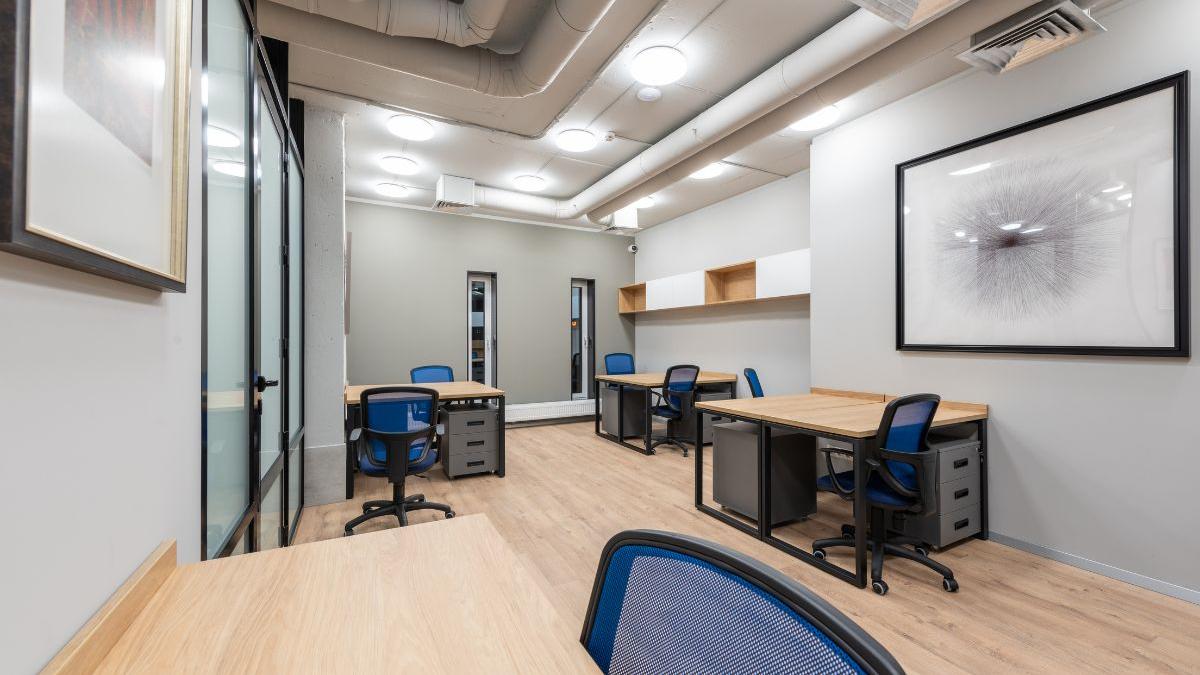
Modern tech companies require spaces that transform throughout the day. Development teams need clustered workstations for sprint planning, then distributed spaces for individual coding. This operational reality has driven demand for modular furniture systems workstations that expand from desks to collaborative tables, mobile partitions creating instant privacy, and seating that adapts to team sizes. Moreover, with 25-60% of employees working hybrid schedules , fixed furniture arrangements represent inefficient use of expensive commercial real estate.
2. Comfort as a Strategic Choice
The relationship between employee comfort and business outcomes has become impossible to ignore. Research demonstrates increased productivity improvements with proper ergonomic design. In India, organisations face ₹14,000 crore in annual losses due to absenteeism from mental health issues much attributable to poorly designed work environments that contribute to stress and burnout.
Therefore, ergonomic seating, adjustable desks, and posture-supportive furniture are no longer perks they are baseline expectations. In industries where long hours and sustained concentration are the norm, design that safeguards physical well-being directly influences output, creativity, and retention. A well-designed chair can be as vital to productivity as a high-speed internet connection.
3. Technology in the Details
The integration of tech into furniture is moving beyond simple convenience. Desks now house discreet charging points, cable-free power systems, and plug and play AV setups for seamless hybrid meetings. Some workstations incorporate sensors that monitor occupancy, helping facilities teams fine-tune energy use, lighting, and air quality in real time.
4. Balancing Energy and Focus
Tech offices thrive on collaboration, but the open-plan model has evolved. Today’s layouts combine lively shared areas with sound absorbing pods, enclosed booths, and acoustic partitions. These micro-environments give employees the freedom to choose the right setting for the task at hand, whether it’s brainstorming a new app feature or refining lines of code.
5. Designing with Responsibility
Sustainability has shifted from a marketing angle to an operational imperative. Recyclable materials, low-VOC finishes, and modular components designed for long-term use are part of a growing accountability in design. For tech companies, reducing environmental impact is as much about attracting conscious talent as it is about meeting compliance goals.
6. Spaces that Build Connection
Beyond desks and conference rooms, successful offices now weave in lounges, wellness corners, and social hubs where informal exchanges happen naturally. These in-between spaces nurture creativity, strengthen team bonds, and give employees a sense of belonging that transcends the workday.
Bottom Line
The most forward-thinking workplaces treat design as an ongoing experiment. By gathering data on space usage and listening to employee feedback, companies can adapt layouts, furniture, and amenities with precision. This feedback loop ensures the office evolves in step with how people work, and keeps it relevant in an era where change is the only constant.
In India, the shift toward smarter, more adaptable work environments is mirrored in the rapid growth of the ergonomic chair market, which generated USD 570 million in 2022 and is projected to nearly double to USD 1,175.1 million by 2030. It’s a tangible sign that organisations are prioritising employee comfort and productivity as strategic assets.
In the hands of tech innovators, the office is becoming more than a place to work; it’s a dynamic ecosystem that supports both performance and people. The future of work may be digital, but the spaces we occupy to do that work are more human and more intentional than ever before.

(The author is Mr. Maanoj Tomar, AFC Furniture Solutions, and the views expressed in this article are his own)
link