How Tariffs, Innovation, and Shifting Consumer Habits Are Reshaping the Patio Industry in 2025

For decades, the outdoor furniture market operated on a simple premise: consumers would replace their patio sets every few years, driven largely by aesthetic trends and seasonal sales. But in 2025, a confluence of forces — from sweeping U.S. tariffs on Chinese imports to breakthroughs in weather-resistant materials and a post-pandemic cultural shift toward outdoor living — is fundamentally altering the economics and consumer calculus of buying furniture for the backyard, balcony, or rooftop terrace.
The transformation is arriving at a moment when Americans are spending more time and money on their outdoor spaces than at any point in recent memory. What began as a pandemic-era phenomenon has solidified into a durable trend, with homeowners treating patios and decks as genuine extensions of their interior living areas. The result is a market that demands higher quality, greater durability, and smarter design — even as geopolitical forces threaten to push prices sharply higher.
Tariff Turbulence Sends Shockwaves Through the Supply Chain
At the center of the industry’s current upheaval is the tariff regime imposed by the Trump administration. According to a detailed consumer guide published by The Jerusalem Post, U.S. tariffs on Chinese-manufactured goods have risen dramatically, with duties on many outdoor furniture categories now reaching as high as 145%. The impact is staggering for an industry that has long relied on Chinese manufacturing for everything from aluminum frames to woven synthetic wicker and cushion fabrics.
These tariffs are not merely an abstract policy matter. They are already filtering through to retail price tags. Industry analysts estimate that outdoor furniture prices could rise between 15% and 30% over the next 12 to 18 months, depending on the category and the degree to which manufacturers can absorb or offset the increased costs. For consumers, the message is clear: the era of inexpensive, imported patio sets may be drawing to a close — or at least entering a period of significant repricing.
Manufacturers Scramble to Diversify and Adapt
The tariff pressure is accelerating a supply chain diversification that was already underway. Major outdoor furniture brands are increasingly sourcing from Vietnam, Indonesia, India, and Mexico, seeking to reduce their exposure to China-specific duties. Some manufacturers have invested in domestic production capabilities, though the cost differential remains substantial. As The Jerusalem Post reported, brands that had already begun shifting production before the latest tariff escalation are now in a considerably stronger competitive position than those that remained dependent on Chinese factories.
The diversification effort is not without its own complications. Vietnamese and Indonesian manufacturers, while increasingly capable, often lack the scale and infrastructure of their Chinese counterparts. Lead times have lengthened for some product lines, and quality consistency remains a concern for brands accustomed to the precision of mature Chinese supply chains. Nevertheless, the direction of travel is unmistakable: the outdoor furniture industry is undergoing a geographic redistribution of production that will define its cost structure for years to come.
Material Science Is Quietly Revolutionizing What Outdoor Furniture Can Be
Beyond the tariff story, a less visible but equally consequential revolution is taking place in the materials used to construct outdoor furniture. The traditional choices — teak, wrought iron, basic aluminum, and conventional polyester cushions — are being supplemented and in some cases supplanted by advanced composites, high-density polyethylene (HDPE) lumber, solution-dyed acrylic fabrics, and powder-coated marine-grade aluminum alloys.
HDPE lumber, made from recycled plastic, has emerged as a particularly compelling option for environmentally conscious consumers. It resists moisture, UV degradation, and insect damage without requiring the annual maintenance rituals associated with natural wood. Brands like Polywood have built substantial businesses around this material, and the category continues to grow as sustainability concerns move from niche to mainstream. According to reporting by The Jerusalem Post, the best outdoor furniture options in 2025 increasingly feature these advanced materials, which offer dramatically longer lifespans than their predecessors — in some cases exceeding 20 years with minimal maintenance.
The Outdoor Living Room: A Cultural Shift With Staying Power
The pandemic’s most enduring legacy for the home furnishings industry may be the elevation of outdoor spaces from afterthoughts to primary living areas. Homeowners who invested in elaborate outdoor kitchens, fire pit seating areas, and covered lounge spaces during 2020 and 2021 are now entering their first major replacement and upgrade cycles. And their expectations have risen considerably.
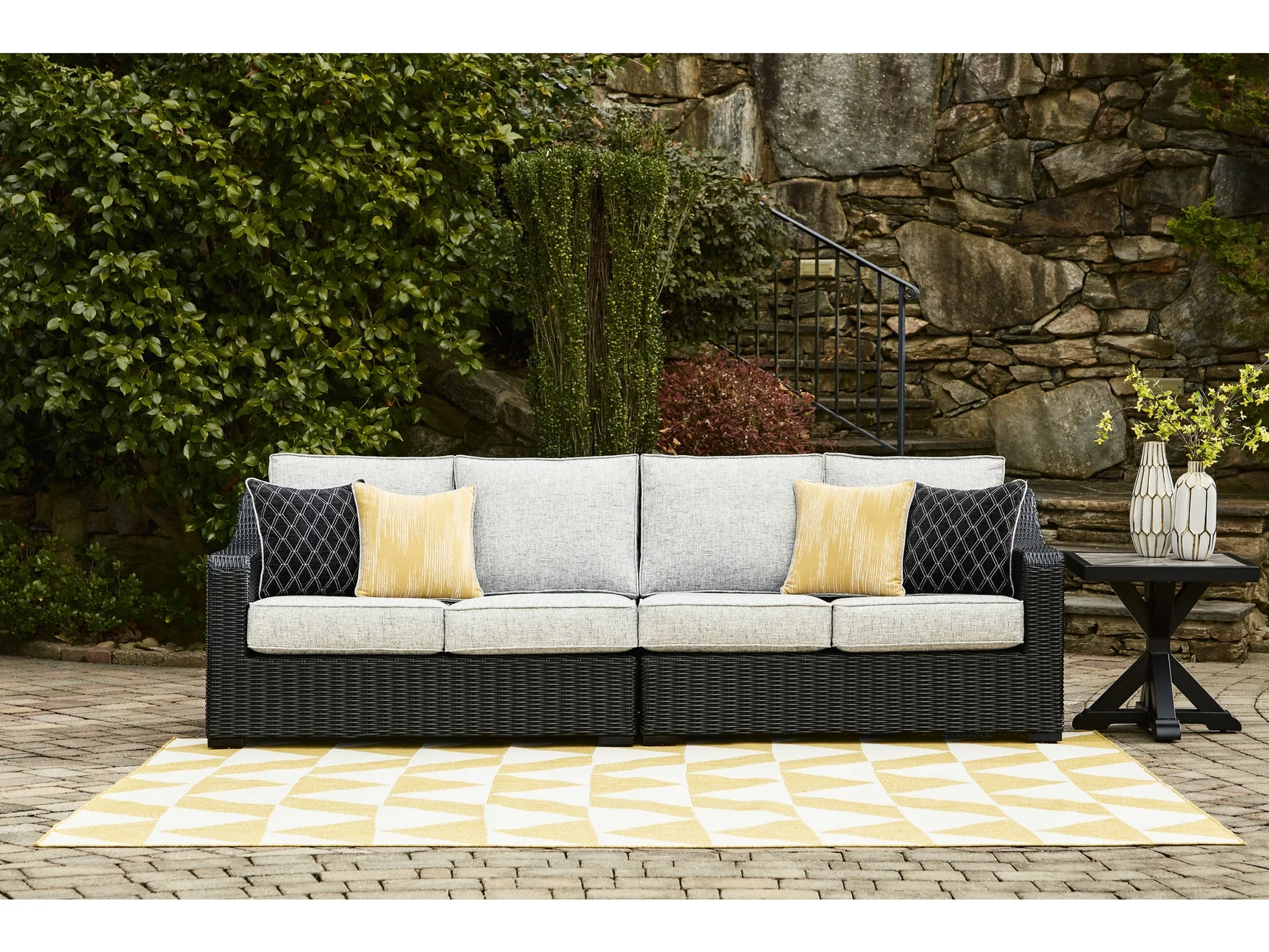
Today’s outdoor furniture buyer is not simply looking for a place to sit. They want modular sectionals that can be reconfigured for different occasions, dining sets that rival their indoor tables in sophistication, and lounge chairs that incorporate performance fabrics previously found only in marine and hospitality applications. The Jerusalem Post’s analysis highlights that consumer preferences have shifted decisively toward pieces that blur the line between indoor and outdoor aesthetics, with neutral color palettes, clean lines, and premium textures dominating the market.
This cultural shift has also expanded the addressable market. Urban apartment dwellers with small balconies are now a significant consumer segment, driving demand for compact, space-efficient designs that don’t sacrifice style. Bistro sets, hanging chairs, and folding furniture engineered for small spaces have seen particular growth, as city residents seek to maximize every square foot of outdoor access.
The Economics of Buying Smart in a Volatile Market
For consumers navigating this environment, timing and strategy matter more than ever. Industry experts recommend purchasing outdoor furniture during off-peak seasons — typically late summer and early fall — when retailers are motivated to clear inventory before winter. However, the tariff situation introduces a countervailing consideration: prices are likely to be higher on next year’s inventory than on current stock, making early purchases potentially advantageous even at full retail price.
The Jerusalem Post’s consumer guide emphasizes the importance of evaluating total cost of ownership rather than sticker price alone. A teak dining set that costs $3,000 but lasts 25 years with proper care may represent far better value than a $900 steel-and-polyester alternative that needs replacement every four to five years. This lifecycle analysis is becoming increasingly relevant as tariffs push up the cost of lower-end imports, narrowing the price gap between budget and premium categories.
Warranty, Craftsmanship, and the Trust Deficit
One underappreciated dimension of the current market is the growing importance of warranties and brand reputation. As prices rise and consumers invest more in their outdoor spaces, tolerance for premature deterioration — rusting frames, fading fabrics, sagging cushions — has declined sharply. Brands that offer robust warranties, transparent sourcing information, and demonstrable quality control are gaining market share at the expense of anonymous imports sold through third-party marketplace platforms.
The direct-to-consumer model has also gained traction in outdoor furniture, with brands like Outer, Yardbird, and Article bypassing traditional retail channels to offer higher-quality products at competitive prices. These companies typically invest heavily in materials and construction while reducing costs through streamlined distribution. Their rise reflects a broader consumer willingness to research purchases thoroughly and pay a premium for verified quality — a dynamic that mirrors trends in mattresses, cookware, and other home goods categories that have been disrupted by digitally native brands.
What the Next Five Years Hold for Patio and Garden Furnishings
Looking ahead, several forces will shape the outdoor furniture industry through the end of the decade. First, the tariff situation remains fluid. Any diplomatic resolution between the U.S. and China could ease pricing pressure, while further escalation could push more production to alternative countries or drive significant reshoring efforts. Second, sustainability will continue to move from marketing buzzword to purchasing criterion, with consumers increasingly demanding recycled materials, responsible forestry certifications, and transparent supply chains.
Third, technology integration — already visible in heated outdoor furniture, built-in Bluetooth speakers, and solar-powered lighting accessories — will expand. Smart outdoor furniture that connects to home automation systems is no longer a fantasy; several manufacturers have prototype lines in development. Fourth, the rental and resale markets for premium outdoor furniture are emerging, driven by the same circular-economy principles reshaping fashion and electronics.
The outdoor furniture industry in 2025 stands at an inflection point. Tariffs are reshaping supply chains and pricing. Advanced materials are redefining durability and sustainability. Consumer expectations are higher than ever. For manufacturers, retailers, and consumers alike, the old playbook — buy cheap, replace often — is giving way to a more sophisticated calculus that weighs quality, longevity, environmental impact, and total cost of ownership. Those who adapt to this new reality will thrive. Those who don’t may find themselves, quite literally, left out in the elements.
link