


The global office furniture market size was valued at USD 65.62 Billion in 2024. Looking forward, IMARC Group estimates the market to reach USD 88.58 Billion by 2033, exhibiting a CAGR of 3.36% from 2025-2033.
The office furniture industry in 2025 is changing at a dramatic pace with contemporary workplaces adapting to hybrid work environments, ergonomic considerations, and sustainability needs. It’s not just desks and chairs anymore; office furniture today is a mix of design, health, flexibility, and green concerns. With the world redrawing the boundaries of workspace, the need for flexible furniture continues to redefine the market.
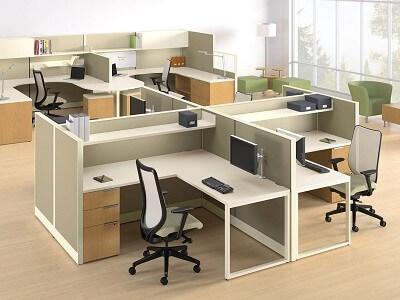
One of the most significant trends in 2025 is the move to flexible, modular furnishings. With hybrid work that enables workers to divide their time between home and the office, offices increasingly function as collaborative spaces rather than designated desks. The easily reconfigured furniture-such as mobile partitions, adaptable workstations, and stackable storage-enables dynamic configurations. This flexibility enables organizations to optimize density, adhere to social distancing requirements when necessary, and facilitate casual collaboration at little capital expense.
Design is led by ergonomics and staff well-being as much as looks. Staff anticipate sitting that is posture-friendly, standing-desks that provide for both sitting and adjustable standing height, and work surfaces that accommodate both screen- and paper-based work. Acoustic panels, private pods, and soft seating insert comfort along with noise reduction in open-space offices. They do more than increase productivity; they show employer dedication to health and employee retention.
Get your Sample of Office Furniture Market Insights for Free: https://www.imarcgroup.com/office-furniture-market/requestsample
Sustainable sourcing and sustainability have also become office furniture hallmarks. Purchasers seek FSC-certified wood, recycled metal, low-VOC coatings, and circular business models involving refurbishment, leasing, or take-backs at end-of-life. Suppliers increasingly make environmental product declarations available to achieve corporate sustainability requirements and meet green building certifications like LEED and WELL.
Another significant theme is integration of technology. Power-enabled desks with integral charging ports, cable management systems, and embedded sensors monitoring usage patterns or optimizing cleaning rotas assist employers in using space more effectively. Certain intelligent furniture adjusts height automatically according to usage information, promoting healthy movement during the day.
Regional growth trends shape market dynamics. Premium, flexible, and sustainable products are the focus in mature markets like North America and Europe. Emerging markets in Asia-Pacific and Latin America are growing their office infrastructure fast and pose latent growth opportunities for mid-range and affordable options. Multinational customers with offices in multiple geographies tend to standardize product ranges across offices, impacting global supply chains and design terminology.
Shifts in supply chain and procurement structures also shape the office furniture industry in 2025. Most manufacturers provide bundled services-virtual space planning, 3D room modeling, and installation services-so that it is simple for businesses to deploy design tactics across remote sites. Leasing and subscription models ease cost amortization and make upgrades simpler, particularly for businesses that are uncertain about future space requirements.
Price sensitivity and economic insecurity are still prevalent. Although high-quality, flexible ergonomic furniture is at a higher price point, firms balance advantages like reduced absenteeism, improved morale, and brand appeal. Suppliers react with starter ergonomic brands and hybrid leasing programs to address cost-sensitive purchasers without sacrificing function.
In short, the office furniture industry of 2025 is characterized by flexibility, wellbeing, sustainability, and technology integration. As offices redefine their role in the hybrid age, furniture that enables dynamic use, fosters health, and shares environmental values will take center stage in creating effective, contemporary workplaces.
Ask Our Expert & Browse Full Report with TOC & List of Figures: https://www.imarcgroup.com/request?type=report&id=1395&flag=E
Office Furniture Market Segmentation:
Market Analysis by Product Type:
Seating Furniture
Modular Systems
Market Analysis by Material Type:
Wood
Metal
Plastic and Fiber
Glass
Others
Market Analysis by Distribution Channel:
Direct Sales
Specialist Store
Non-Specialist Stores
Online
Others
Market Analysis by Price Range:
Low
Medium
High
Regional Analysis:
North America
Europe
Asia Pacific
Middle East and Africa
Latin America
Who are the key players operating in the industry?
The report covers the major market players, including:
9to5 Seating
Global Furniture Group
Haworth Inc.
Herman Miller, Inc.
HNI Corporation
Hooker Furnishings
Humanscale
Kimball International, Inc.
KOKUYO Co., Ltd.
Krueger International, Inc.
MillerKnoll, Inc.
Nilkamal Ltd.
Okamura Corporation
Steelcase Inc.
Vitra International AG
Largest office furniture manufacturers: https://www.imarcgroup.com/office-furniture-companies
Contact US:
IMARC Group
134 N 4th St. Brooklyn, NY 11249, USA
Email: sales@imarcgroup.com
Tel No:(D) +91 120 433 0800
United States: +1-201971-6302
About Us:
IMARC Group is a global management consulting firm that helps the world’s most ambitious changemakers to create a lasting impact. The company provides a comprehensive suite of market entry and expansion services.
IMARC offerings include thorough market assessment, feasibility studies, company incorporation assistance, factory setup support, regulatory approvals and licensing navigation, branding, marketing and sales strategies, competitive landscape and benchmarking analyses, pricing and cost research, and procurement research.
This release was published on openPR.
link